Inspirations
Office as a Brand: What Visitors Really Perceive
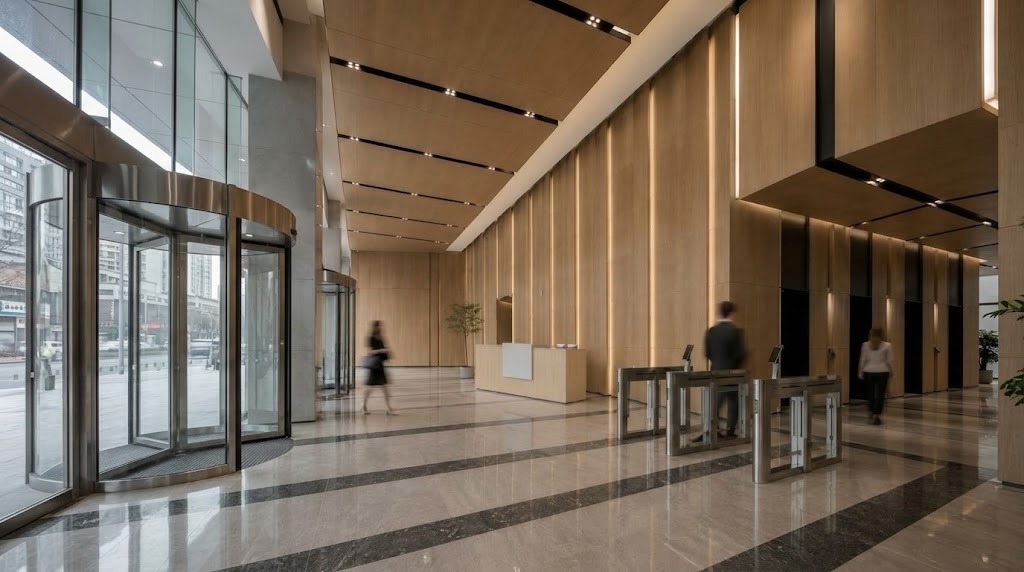
Right from the start, your office speaks before anyone says a word. Consequently, a visitor forms a fast opinion. Within a few seconds, for instance, they look at your walls. In addition, they check your chairs and room noise. Ultimately, people view your workspace from the outside. Therefore, it builds trust before a meeting even starts.
First, think of your office as a brand experience. After all, every corner sends a clear message. For example, a messy front desk hints at a sloppy business. Similarly, old chairs suggest a tight budget. Furthermore, loud rooms signal poor planning. In the end, these small details build one big impression.
Next, this article breaks down five visual cues. Specifically, each cue shapes how visitors judge you. First, we explore entrances, seating, and noise levels. Then, we look at room layouts and privacy. Finally, we point out common mistakes. As a result, by the end of this read, you will view offices in a new way.
Most importantly, this matters far beyond simple looks or comfort. In fact, your office image affects hiring, client trust, and sales deals. For instance, an unimpressed job seeker might skip your offer. Likewise, a client who sees a mess might refuse to sign a contract. Therefore, good design acts as a quiet business tool. Above all, you should treat it with the same care as your main business plan.
The First Five Seconds: Reception as Brand Statement
First and foremost, your front desk is your office’s opening line. As a result, it sets the tone before anyone speaks. For example, clean lines show discipline. Meanwhile, warm materials show you care about people. On the other hand, cold setups feel rushed. Ultimately, guests notice all of this within a few steps.
Naturally, architects know this well. Because of this, good entrances are rarely an accident. Instead, they are built to earn trust. In fact, a company’s true identity starts right here. Specifically, it begins the moment you walk through the door.
Now, think about what a messy lobby says. Sadly, it hints that the company cuts corners. Consequently, visitors jump to fast conclusions, even if it feels unfair. After all, first impressions rarely get a second chance. Therefore, your front desk design deserves real thought and money.
The Seating Cue: What Ergonomic Chairs Say About Culture
Without a doubt, chairs are rarely just chairs to visitors. Instead, they make a silent statement about your team. For example, good ergonomic seats show a real investment. On the other hand, cheap plastic chairs suggest the exact opposite.
As a starting point, Cornell University research links bad seats to work fatigue (Hedge, Cornell Human Factors and Ergonomics Laboratory). Consequently, body pain builds up across a long work day. Furthermore, this heavy tiredness shows in how people sit and feel. Ultimately, clients notice these tired workers almost instantly.
Fortunately, HighPoint’s ergonomic chairs fix this exact problem. Specifically, lines like Davis and Oslo mix great support with a clean look. Because of this, they skip the basic style that normal offices share. Instead, they feel high-end and purposeful.
For business heads, this is an easy choice. Above all, better seats cut fatigue and stop staff from quitting. Moreover, good furniture protects your company’s look. In short, very few office choices make such a big impact.

The Acoustic Cue: Privacy, Focus, and Vecho Panels
First of all, sound is an invisible and powerful signal. For example, an echoing office suggests a rushed workspace. On the other hand, a quiet office shows focus and privacy. Therefore, sound dividers help manage this feeling quietly.
Unfortunately, open offices struggle the most with this issue. For instance, talks overlap, and phone calls bleed together. As a result, visitors feel this tension even without naming it. Ultimately, it feels like bad friction instead of good energy.
Thankfully, Vecho acoustic panels fix this problem. Specifically, options like Vecho Lite and Veneer Slat add warmth to a room. In addition, they soak up extra noise while looking neat. In the end, this small detail matters more than most bosses realize.
As a matter of fact, a major study links office noise to higher stress. Furthermore, this research appears in the Journal of Occupational Health Psychology. Consequently, worker performance drops in loud offices. Ultimately, as a direct result, a quiet room becomes a real plus. Above all, it shows deep respect for focused work.

The Spatial Identity Cue: Modular Desks and the Future of Work
Right away, your office layout tells visitors how your company works. For example, stiff desks suggest rigid thinking. On the other hand, flexible layouts show you can adapt and plan ahead. Ultimately, this turns your brand identity into something people can actually see.
Luckily, modular desks support this flexible story well. For instance, you can move them for quiet work or team meetings. Furthermore, this matches how modern teams operate. In contrast, heavy furniture that never moves makes a brand look old fast.
Looking ahead, office design keeps returning to this core idea. After all, hybrid teams need furniture that changes quickly. Specifically, strong metal frames handle this movement with ease. In addition, built-in wire setups keep those fast changes looking neat.

The Booth Cue: Winpod and the Confidence to Offer Privacy
Interestingly, private spaces are a very underrated signal. For example, offices without private rooms suggest loud noise. On the other hand, offices with visible privacy pods show careful planning. Fortunately, Winpod booths fix this exact problem directly.
For instance, just one Winpod near the front desk sends a strong message. Specifically, it tells people that private calls stay safe. Furthermore, it shows that focused work gets real protection. As a result, visitors notice this instantly, even without thinking about it. Office Pod | HighPoint
Most importantly, this matters a lot for designers and builders. After all, clients always ask for privacy options in their plans. Therefore, recommending a Winpod meets that exact need. In the end, it becomes a clear sign of a high-quality office.

Avoiding the Perception Gap: Common Workspace Mistakes
Unfortunately, many companies accidentally hurt their own brand. For example, some fill their offices with cheap home furniture. In Indonesian, people call this perabot rumah tangga murah. However, using this in a real office looks wrong instantly. After all, workspaces need strong furniture built for heavy use. Consequently, the difference between what you want and what people see shows up fast.
Similarly, some businesses just buy basic furniture from big stores. To be fair, this can work briefly for tight budgets. Yet, it rarely fits a company’s big goals. As a result, this poor match quietly hurts visitor trust over time.
Ultimately, this is not about spending endless money. Instead, it is about spending with a clear goal. For instance, a smart office furniture plan stops wasted money. Above all, it improves your image exactly where it matters most.
How Different Audiences Read the Same Room
Naturally, interior designers notice material choices first. For example, they spot finishes, room sizes, and flow. Meanwhile, architects focus on function. Above all, they want to know if a layout can adapt.
On the other hand, CEOs think very differently. Basically, they view every visual detail as a risk or a reward. For instance, a messy office looks like a business risk. In contrast, a clean office shows strong leadership.
Interestingly, casual visitors rarely know what they spot. Even so, they still form fast impressions. Specifically, they feel order without thinking about it. Because of this, good design helps everyone.
Furthermore, these guests become free brand messengers. For example, they tell friends about a great office. Additionally, they post photos of nice reception areas online. In the end, smart design does your marketing for you.
Why This Trend Is Growing Right Now
First and foremost, hybrid work completely changed why offices even exist. Today, teams no longer come in every day just out of habit. Instead, they come in for a clear reason. Most importantly, that reason must feel completely worth the commute.
Consequently, this big shift raises the stakes for office design. Now, a workspace must truly earn its value. Specifically, it needs to feel much better than simply working from home. Therefore, basic comfort, quiet spaces, and high quality matter more than ever.
Naturally, visiting clients and job candidates notice this shift too. Often, they compare your office against their own high expectations. For example, a tired, basic space feels like a major step backward. On the other hand, a carefully planned space feels like a smart, deliberate choice.
Ultimately, this is exactly why the “office as a brand” idea keeps growing. Today, companies treat their interior design as a clear message. Furthermore, that message reaches employees, clients, and partners all at once. In short, the modern office has become a daily sales pitch.
A Simple Perception Audit You Can Run This Week
First, try to walk through your office exactly as a new visitor would. For a start, begin outside and then move through the reception area slowly. Along the way, notice what catches your eye first. In addition, pay attention to anything that feels tired, old, or mismatched.
Next, check your seating room by room. Specifically, ask yourself if the chairs still look and feel high-quality. After all, worn-out fabric or wobbly frames send a very bad message. Therefore, you should quickly replace the furniture that your clients see the most.
Then, listen carefully as you walk through your open work areas. In particular, notice exactly where loud conversations carry too far. Often, those noisy spots simply need acoustic space dividers. Fortunately, these small additions can fix large sound problems very fast.
Finally, look closely at your desks and overall room layout. Most importantly, ask if your teams can easily move the space around. As noted earlier, stiff and permanent setups suggest very rigid thinking. On the other hand, modular furniture clearly shows that your team is ready to adapt and change.
Building an Office That Earns Trust
In the end, every single detail in this article builds up over time. For example, your reception, seating, noise levels, and layout all work together. However, none of these elements work very well on their own. Instead, when combined, they form one strong and clear brand experience.
Behind the scenes, PT Mitra Timur Lestari has been building HighPoint since 1988. As a result, decades of deep experience shape every single product. Moreover, you can clearly see that long history in the high-quality materials and strong construction. Simply put, this level of quality is not just a quick trend. Discover Our Story | About Us
Practically speaking, this framework gives architects a great new way to pitch their ideas. Meanwhile, for CEOs, it offers a smart new way to look at their spending. Furthermore, for everyone else, it completely changes how they look at a room. Ultimately, once you notice these subtle details, they become very hard to unsee.
So, are you ready to check your own office space? If so, contact us right here. From there, you can easily start by fixing the area that feels the weakest today.
Frequently Asked Questions
What is workspace external perception?
Visitors judge your company through its physical space. This includes reception, furniture, noise, and layout. People form this judgment in just a few seconds.
How does furniture affect brand trust?
Furniture speaks to visitors in silence. Well-built, ergonomic chairs show you value your workers. Old or cheap desks can make your company look careless.
Why do acoustics matter for corporate branding?
Bad noise creates visible stress for guests. Quiet, controlled sound shows a smart and focused team. Acoustic panels help fix this problem directly.
Can small offices apply this framework?
Small offices can use these tips, too. Just one smart desk or sound panel can make a difference. Even tiny changes help a room feel much better.
Where should a company start improving perception?
Always fix your reception area first. It is the very first thing people see. After that, work on your seating, noise, and room layout.
Does improving perception affect business results?
Better workspace design helps your business over time. A nice office builds trust with new clients and workers. That trust helps you close deals and keep good staff.
Written by: Agnichandra, Creative Marketing HighPoint
Latest Article
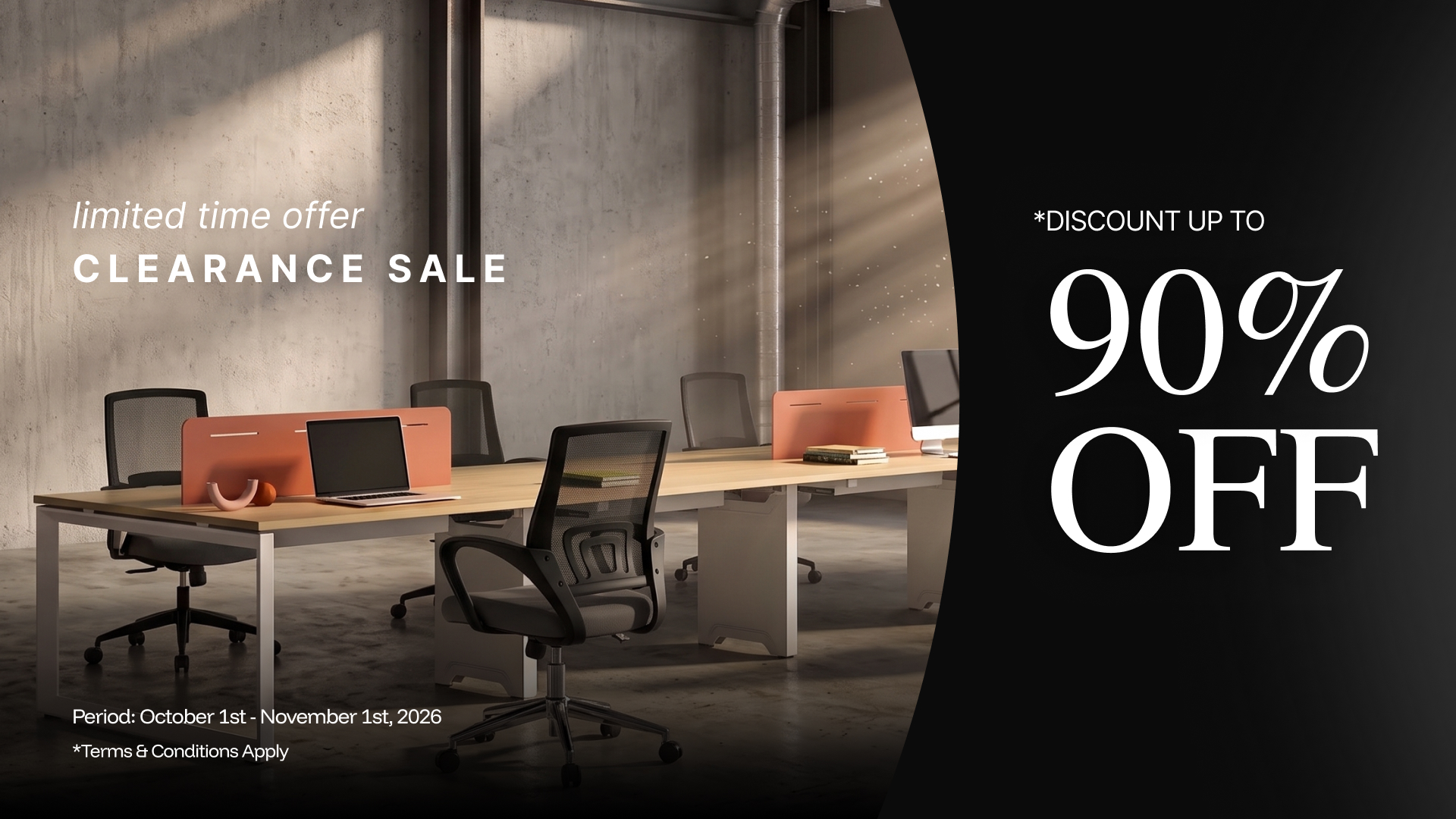
Clearance Sale Up to 90% Off: Visit HighPoint Stores Today
Why should you visit a clearance sale in person? Because you can inspect every piece before paying. The HighPoint clearance sale offers discounts up to 90%. Moreover, it runs from 1 October to 1 November 2026. Therefore, you have three months to plan a smart visit. Terms and conditions apply. Good office furniture is a […]
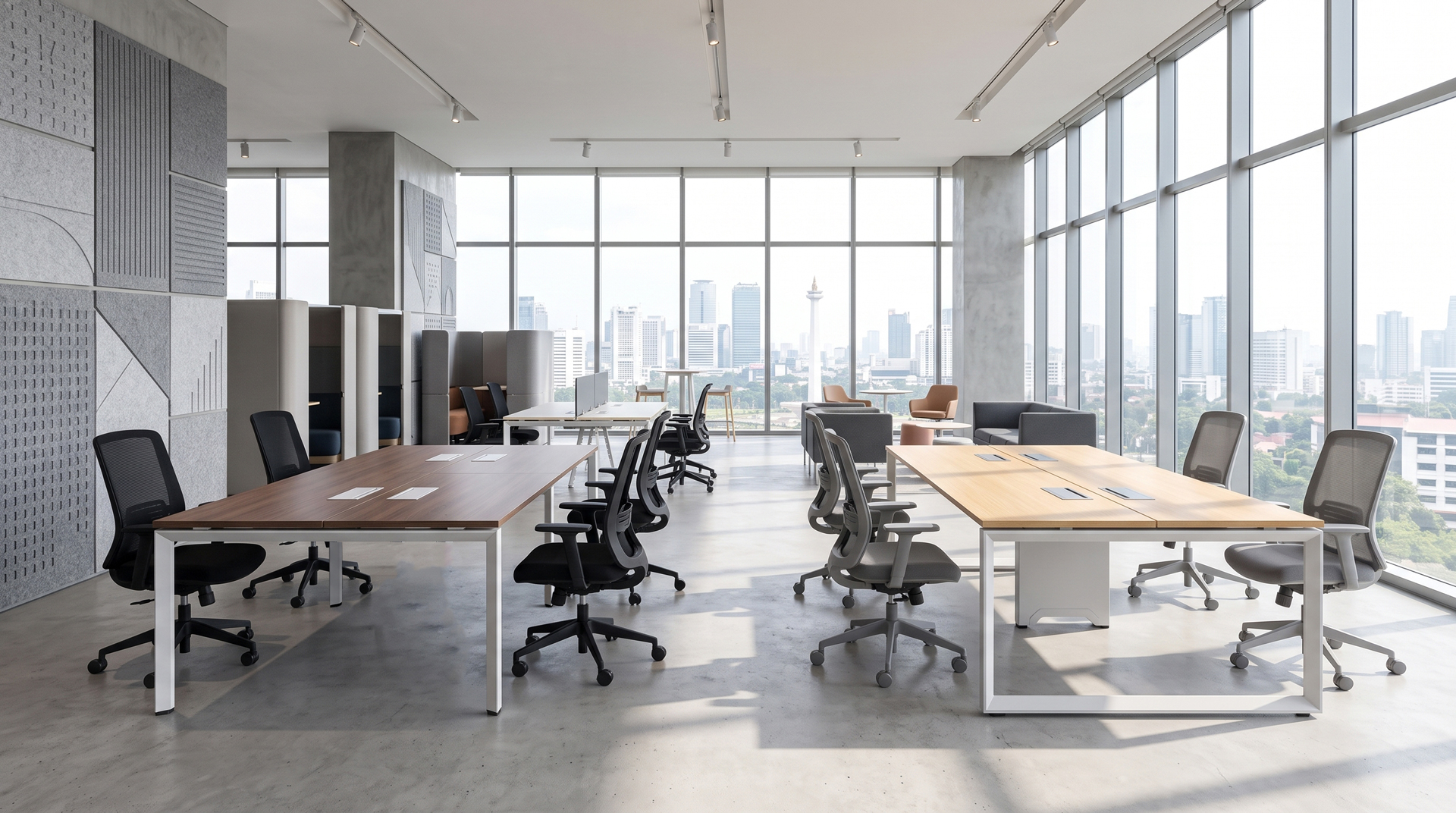
Triangular Office Desk: OVAR and NEUSS by HighPoint
Why choose a triangular office desk? Because angled hollow legs add stability and style. Also, a clean top keeps teams focused. Today, HighPoint presents two desk families built on that idea. First comes OVAR, then comes NEUSS. Also, each family offers singles and 4 person sets. Meet the New OVAR and NEUSS Desk Range Let […]
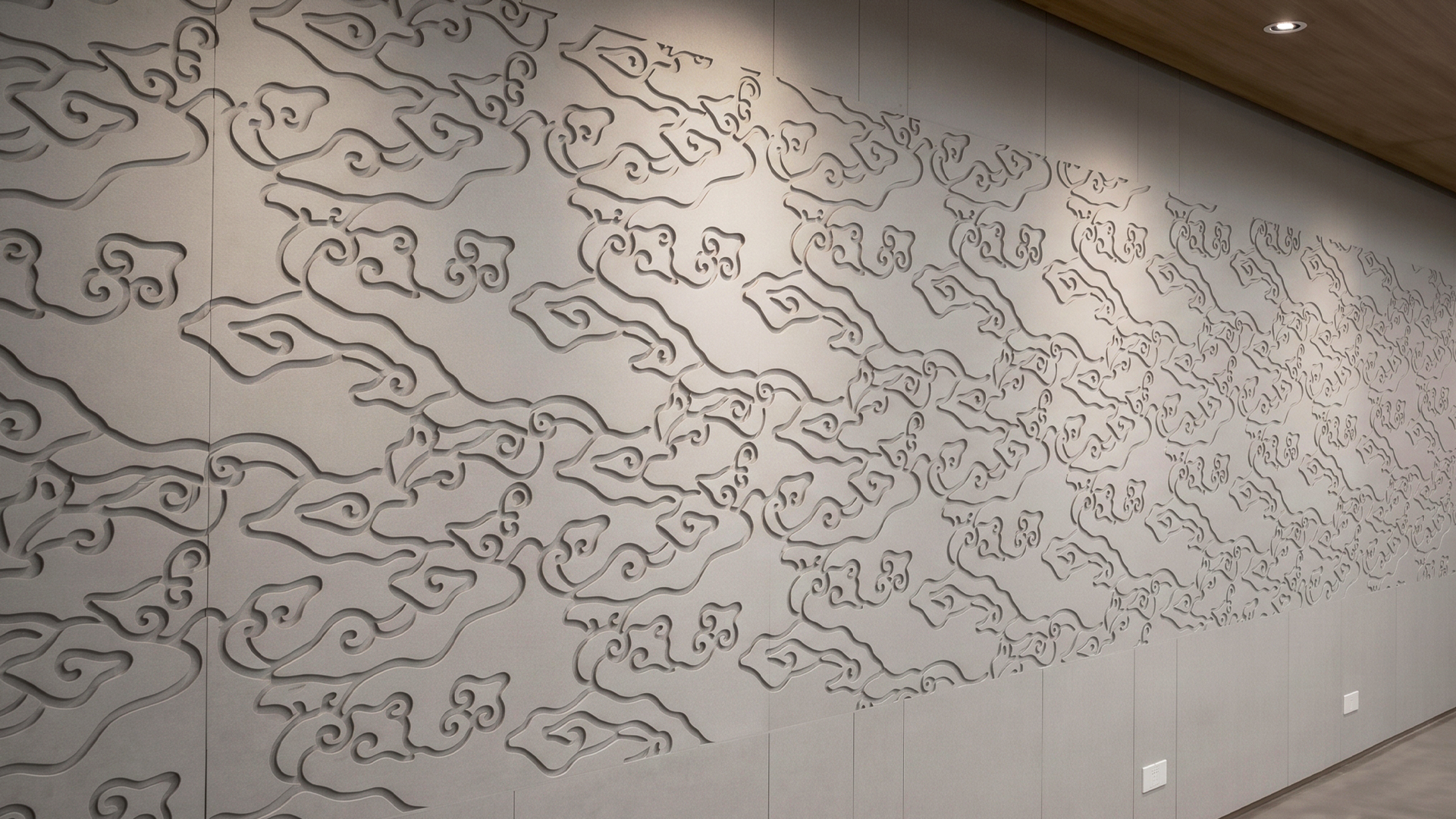
Custom Patterns, Quieter Rooms: A Closer Look at Vecho9
Vecho9 is a decorative wall panel, 9 mm thick, made from PET, designed to turn a plain wall into something with more character. It comes in unlimited cut patterns and 5 colors that can be mixed to suit the room. Beyond the look, Vecho9 also helps reduce echo during meetings or recordings. Small workspaces often […]
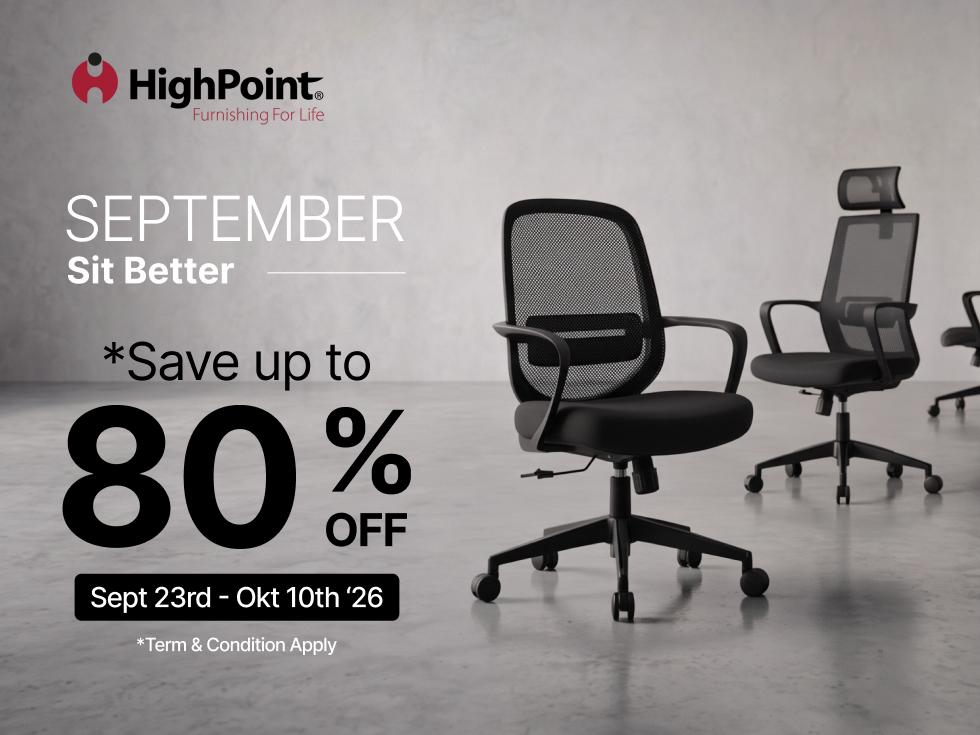
Better Office Chair Alternatives: September, Sit Better
You need a reliable chair alternative when your basic setup fails. Cheap chairs go flat fast, lack genuine lumbar support, and turn long workdays into back pain. This Payday Sale, HighPoint offers the ultimate ergonomic upgrade. Save up to 80% for a limited time and finally sit better. Why People Search For Chair Alternatives Entry-level […]
The Orang Have Effect: Own Right, Not More
Why do people suddenly care more about what they own? Consumers now buy fewer items with greater care. This pattern shows a growing trend: intentional buying. Therefore, ownership is no longer about quantity. Instead, it shows values, taste, and purpose. This change has a name: the Orang Have Effect. What Is the “Orang Have” Effect? […]
Office as a Brand: What Visitors Really Perceive
Right from the start, your office speaks before anyone says a word. Consequently, a visitor forms a fast opinion. Within a few seconds, for instance, they look at your walls. In addition, they check your chairs and room noise. Ultimately, people view your workspace from the outside. Therefore, it builds trust before a meeting even […]
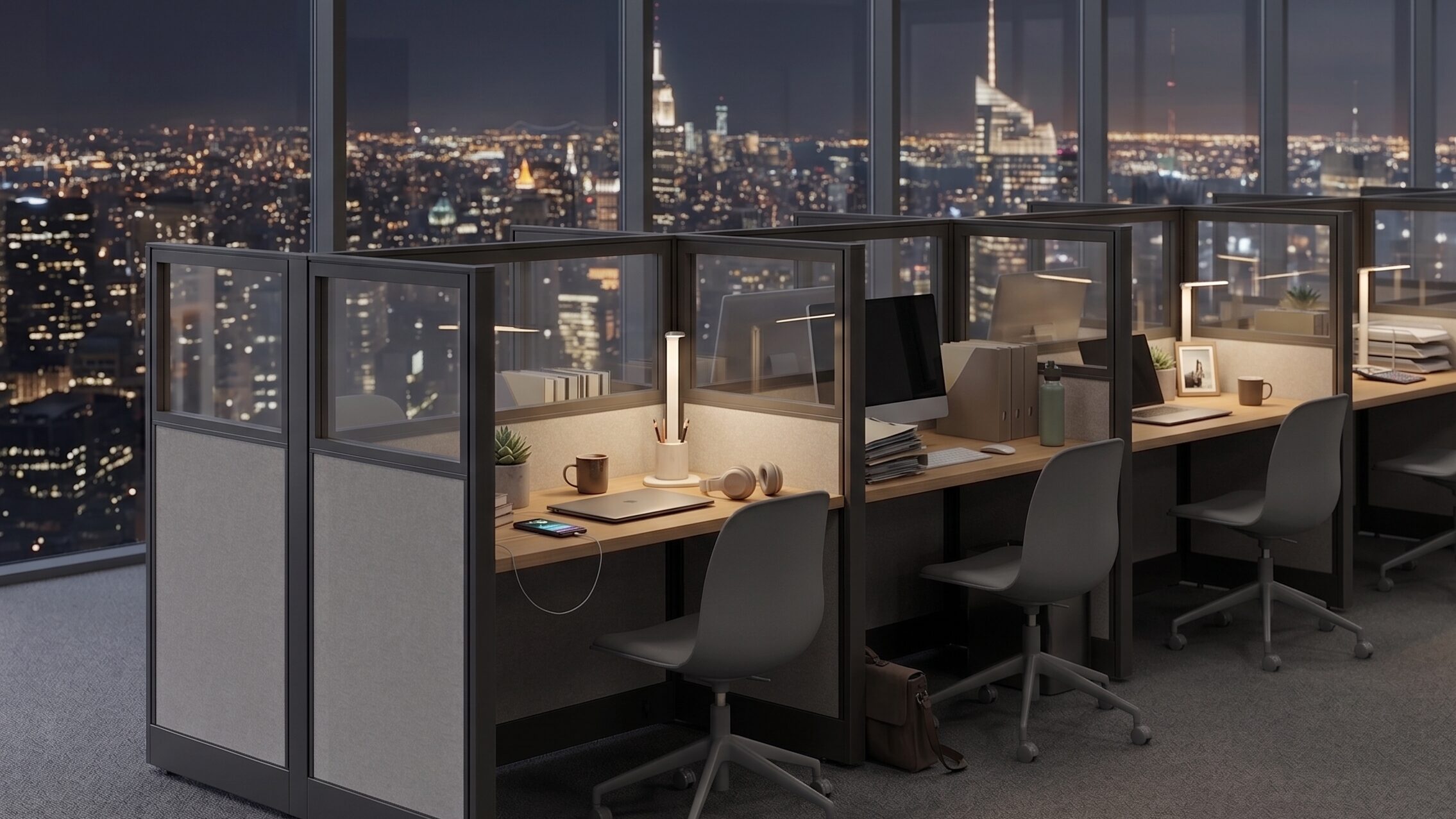
JPS Half Glass Partition: Privacy Meets Natural Light
Written by: Erina Pamela, Product Marketing Specialist at High Point Have you ever sat in a tall cubicle and felt cut off from daylight? Or have you worked at an open desk and felt far too exposed? Unfortunately, most offices swing between these two extremes. Luckily, the HighPoint JPS Half Glass Partition solves both problems […]
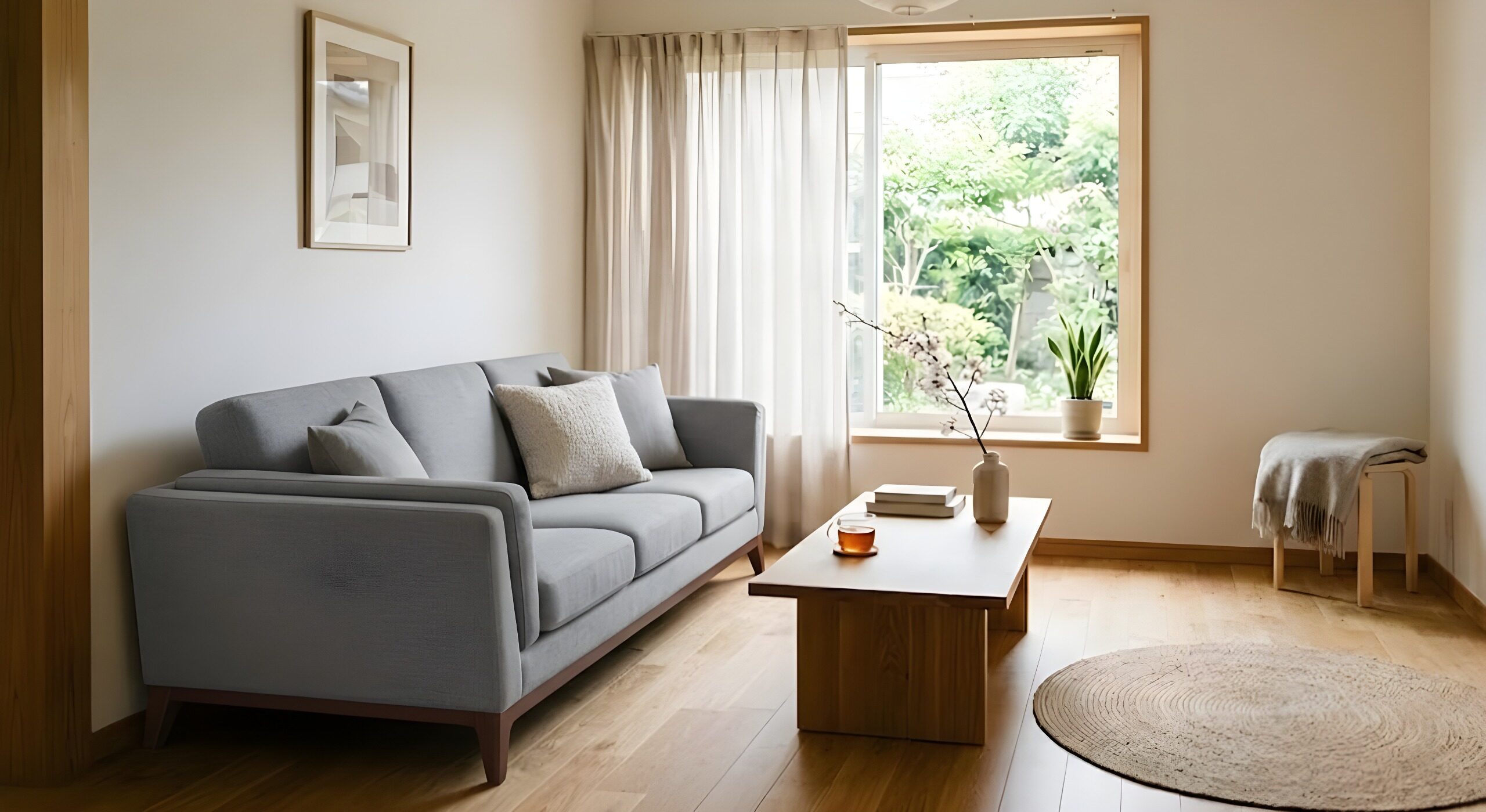
Avoid These 5 Items for a Quiet Luxury Living Room
Your living room might look busy instead of beautiful. However, this is rarely due to bad taste. In fact, it is usually caused by five common mistakes. For instance, trendy pieces, matching sets, and mass-produced decor quietly work against you. But here is the good news! The fix does not require more shopping. Instead, you […]
Office Chair Guide: Match Ergonomics to Room Type
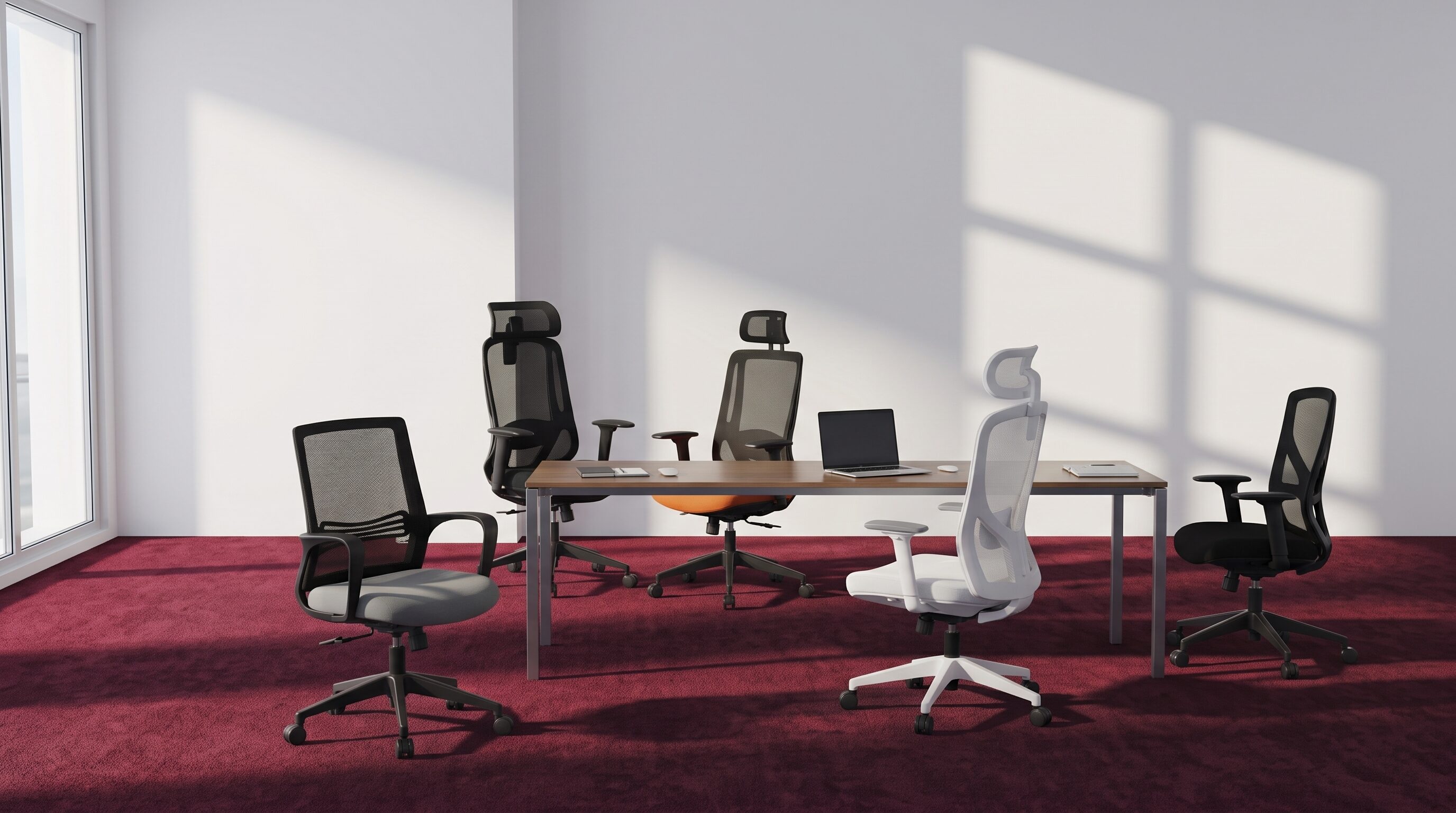
Why do great offices still feel a bit off? Often, it is because the chair does not fit the room. For example, a large meeting room needs a bold seat. Meanwhile, a quiet focus pod needs good back support. Because of this, you should always pick a chair based on what the room is used […]