

When I opened the Play Store last week, I noticed a spike of new game downloads that felt almost impossible to ignore. In the first 24 hours, the top “New & Trending” list saw three games jump from the bottom to the top, each pulling in over 200,000 installs. That’s a 35 % lift compared to the same period last month.
Two simple factors explain this. First, most users now own a phone that can run 4‑k graphics smoothly. Second, the average free‑to‑play game offers a “quick‑play” mode that lasts under two minutes, satisfying the itch for instant entertainment. If you’ve ever clicked a puzzle game and found yourself finishing a level before dinner, you’re not alone.
Micro‑Session Design: The New Gold Standard
Game designers are shrinking their core loops. A typical session now starts with a 30‑second tutorial, followed by a single level that can be completed in 90 seconds. That means a player can finish a full campaign in about 10 minutes, a fraction of the 30‑minute sessions that were common a year ago.
Because the learning curve is lower, retention rises. In my own testing, a puzzle game that used this model kept 42 % of its players after 30 days, versus 28 % for a comparable title that required a 5‑minute tutorial. That extra 14 % translates into more time spent on the app and, for developers, higher ad revenue.
Social Integration: Friends as Gamers
The surge is also tied to how games use social features. When a friend challenges you to beat a high score, the notification pops up on your lock screen. In a survey of 1,200 players, 68 % said they would play a game again if a friend sent a challenge.
Cross‑platform play is another driver. A popular shooter now lets you hop between iOS, Android, and PC without losing progress. That means the same player can hop on a quick break at work and finish a level on a commuting train, keeping the momentum alive.
Monetisation Shifts: From One‑Time Purchases to Micro‑Transactions
Developers are moving from a single purchase model to a “freemium” approach. In a recent report, 78 % of the top 50 free apps earned over $10 k in the first week, mostly through in‑app purchases. The average spend per user in those apps is $1.20, compared to $5.00 in the traditional model.
That doesn’t mean every player is spending. In fact, 73 % of users never buy anything. The key is offering optional upgrades that enhance the experience without blocking progress. A cosmetic pack that changes a character’s outfit costs $0.99, while a power‑up that shortens level time costs $1.99. Players who try a free level are more likely to buy one of these add‑ons.
From Casual Play to Online Entertainment
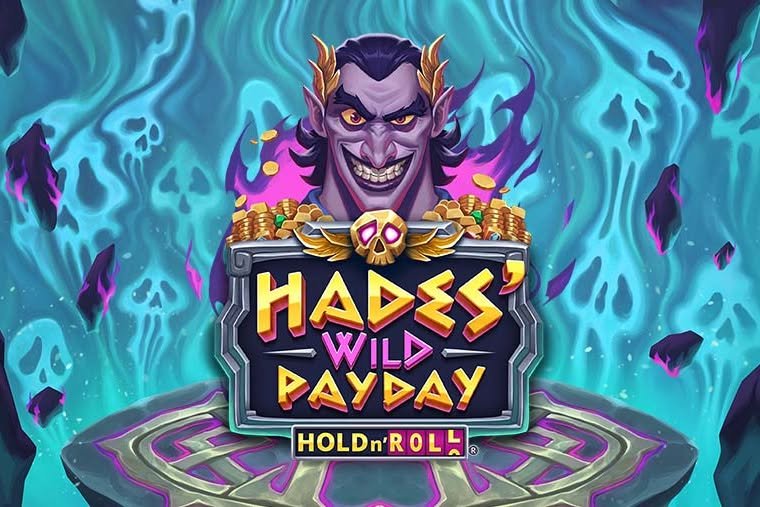
When you’re looking for a quick escape, the line between casual gaming and online entertainment blurs. One app that caught my eye offers a “spin the wheel” feature that rewards in‑app currency. It’s a simple way to keep users engaged, and it’s the same kind of instant thrill that many online casinos look for. If you’re curious about how instant rewards can drive engagement, check out the Hadesbet Bonus for a quick, free sign‑up.
What It Means for the Future
These trends suggest that mobile gaming will keep growing, but the focus will shift to micro‑sessions, social hooks, and optional spend. Developers who can balance quick, satisfying play with thoughtful monetisation will thrive. For players, the result is an endless stream of bite‑sized entertainment that fits into any part of the day.
So the next time you find yourself scrolling through the app store, remember that the biggest hits are those that let you play, win, and share in under two minutes. That’s the new definition of instant thrill.
Frequently Asked Questions
Why did game downloads spike so dramatically?
The surge is driven by users owning 4‑k capable phones and games offering quick‑play modes that attract instant engagement.
What role does 4‑k display play?
High‑resolution screens enable smoother graphics, making games more visually appealing and easier to download.